The Life of a Teacher: A Designer’s Honest Look
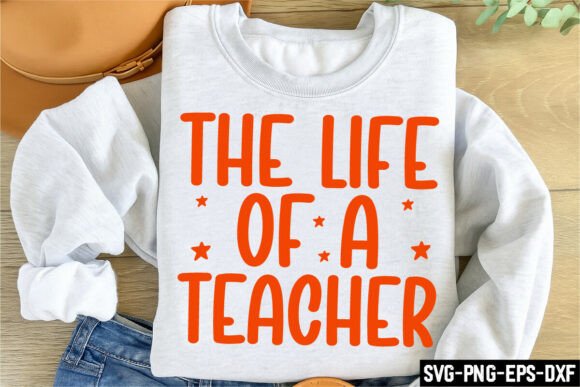
When I first opened The Life of a Teacher design file, I immediately pictured a sturdy canvas tote bag hanging on a classroom chair. You know the type — the one a teacher carries every day, stuffed with graded papers, a worn-in planner, and maybe a half-eaten granola bar. That’s the moment I knew this design had a real home. It felt less like a generic graphic and more like a quiet nod to someone’s daily reality. The composition, the message, the overall mood — it all points toward a product that doesn’t just sit on a shelf but actually gets used, gifted, and appreciated.
From an embroidery designer’s perspective, the first thing I study is how a design translates from screen to thread. Flat graphics can look beautiful on a monitor, but the real test is whether they hold up under the needle. The Life of a Teacher has a grounded, approachable layout that suggests it would adapt well to a range of embroidery projects. The lettering feels intentional without being overly ornate — a good sign if you’re planning to stitch it at a practical size on medium-weight fabric. There’s no excessive detail screaming for impossible stitch counts, and the overall shape reads clearly even at a glance. That’s a major plus for crafters who need a design that works fast and looks finished.
What Kind of Mood This Design Creates
There’s something gently nostalgic about The Life of a Teacher. It doesn’t shout. It doesn’t rely on a punchline. Instead, it carries a warm, respectful tone that feels suited for a personal thank-you gift or a teacher appreciation week product. The mood is earnest, which makes it versatile. You could put this on a soft crewneck sweatshirt and it would feel like a cozy statement piece. You could stitch it onto a tea towel and it would feel like a thoughtful kitchen accent. That emotional range is what makes a design sellable across different product categories — not just T-Shirt Designs, but home goods, accessories, and keepsake items too.
A Real Project Comes to Mind
Let me walk you through a scenario that actually played out in my head as I studied this graphic. I’m preparing a batch of custom embroidered tote bags for a local elementary school’s end-of-year staff gifts. The PTA wants something heartfelt but not cheesy, something that teachers will actually use. I pull up The Life of a Teacher and start visualizing it stitched in a soft navy thread on a natural cotton tote. The design’s theme fits the occasion perfectly. The layout leaves room for a small monogram or a date underneath, which adds a personalized touch without overcrowding the hoop. That’s the kind of practical thinking that separates a design you admire from a design you actually order supplies for.
This is where the Graphics category starts to matter in a real way. The design was originally delivered in a high-resolution format, which makes it easy to test in a digital mockup before committing to thread. I can drop it onto a product preview, adjust the scale, and see how it breathes on different backgrounds. That step saves time and wasted materials — and anyone who runs a small craft business knows that time is inventory.
How It Performs Across Different Embroidery Projects
Not every design earns a permanent spot in my go-to embroidery file library. The Life of a Teacher has strong potential for a few specific product categories that I keep returning to:
- Custom apparel — sweatshirts, long-sleeve tees, and lightweight jackets where the design can sit comfortably on the chest or back panel.
- Tote bags — canvas or cotton styles that offer a stable stitching surface and a generous printable area.
- Kitchen textiles — tea towels and aprons that turn a simple household item into a meaningful gift.
- Pillow covers — especially for classroom reading nooks or teacher lounges with a cozy, lived-in aesthetic.
- Patches — if you digitize it carefully, this design could translate into a sew-on or iron-on embroidered patch for jackets, backpacks, or lanyards.
What I appreciate most is how the design holds its personality across different sizes. It doesn’t rely on a complex background or a tightly packed composition that falls apart when scaled down. That’s important for crafters who want to use the same design on a cap one day and a blanket the next. Consistency builds brand trust, and if you’re an Etsy seller or a handmade shop owner, brand trust is everything.
Where You Should Use Extra Caution
I’m a firm believer that every design has a sweet spot — and a few places where it simply doesn’t belong. The Life of a Teacher is no exception. Here’s where I’d pause and test carefully before listing a finished product:
- Small hoop sizes — if the lettering includes fine details, a 4x4 hoop might push the limits of readability. Test the smallest version first.
- Stretchy or thin fabrics — lightweight jersey, performance blends, or ribbed knits can distort the design if your stabilizer isn’t dialed in perfectly.
- Dark fabrics — contrast is everything. A design that looks crisp on a white mockup might disappear on black cotton unless you adjust thread colors intentionally.
- Curved surfaces like caps — the design’s layout would need to be checked for arc and centering. What looks balanced on a flat surface might warp on a structured hat.
- Items that get washed hard — if you’re putting this on a kitchen towel that will see the washing machine three times a week, pay attention to stitch density and thread quality.
These aren’t flaws — they’re just realities of embroidery work. The best designs are the ones you understand deeply enough to use them well.
What Buyers Will Notice First
When a customer picks up a finished product featuring The Life of a Teacher, they won’t be analyzing thread tension. They’ll be reacting to the overall feel. This design carries a sense of recognition — it says something about the person holding it without needing to explain. That’s powerful for giftability. A parent buying a teacher appreciation present doesn’t want to overthink. They want to see a product that feels thoughtful immediately. This design does that work for them.
From a seller’s perspective, that emotional hook translates into higher engagement. Products with clear, relatable messaging tend to get more saves, shares, and repeat purchases in my experience. The design also photographs well, which matters if you’re creating printable mockups or styling flat-lay product images for an online shop. The clean composition gives you room to style the photo without the design competing for attention.
Practical Embroidery Designer Notes
Before you stitch this onto a final product, here’s what I’d actually do in my own studio:
- Run a test stitch on scrap fabric — same weight, same color, same stabilizer. I always do this, even with designs I’ve used before. Thread acts differently on different days, and humidity is real.
- Check thread color contrast — hold a physical thread spool next to the fabric under natural light. What looks good on screen might look muddy in real life.
- Review stitch density carefully — if the design feels too dense, it can cause puckering on lighter fabrics. Too loose, and the fabric shows through in distracting ways.
- Confirm your hoop size — measure the design’s actual stitchable area and compare it to your hoop’s usable space. Don’t guess.
- Inspect small details at full size — zoom in on any decorative accents, lettering loops, or thin connecting lines. If something looks fragile, make a note before you stitch ten units.
- Test it in black-and-white mockups — this reveals whether the design relies too heavily on color for its impact. Strong designs hold up even without the color crutch.
- Use the right stabilizer for the fabric — cutaway for knits, tearaway for wovens, and a topper for anything with a nap or texture. This is basic but worth repeating.
- Verify licensing before selling — the product description mentions high-resolution formats ready for multiple uses, including sublimation and crafts. That’s encouraging, but I always confirm whether the license covers finished products for commercial sale. If the terms aren’t spelled out clearly, reach out to the designer before listing anything.
Who This Design Is Really For
I think about the people behind the purchase. The Life of a Teacher isn’t for every customer, and that’s a good thing. It’s for the craft business owner who wants to build a collection around meaningful, relatable themes. It’s for the embroidery hobbyist making a personalized gift for a retiring teacher. It’s for the small shop that specializes in boutique apparel with a message that feels genuine rather than mass-produced. If your audience values authenticity over trendiness, this design belongs in your product lineup.
The design also fits neatly into seasonal merchandising — teacher appreciation week, back-to-school season, holiday gifts for educators, and even graduation presents for student teachers. Having a design that works across multiple sales windows without feeling dated is a quiet advantage that adds up over time.
Final Thoughts Before You Stitch
After spending real time with The Life of a Teacher, I’d call it a reliable, emotionally grounded design that earns its place in an embroidery designer’s library. It’s not flashy, and it doesn’t need to be. What it offers is a clear, usable graphic that connects with a specific audience in a way that feels natural. For machine embroidery design work, that’s more valuable than a dozen trend-chasing designs that look great on screen but fall apart under the needle.
If I were pulling this into my next project, I’d start with a mid-weight cotton tote, a well-chosen thread palette, and a solid cutaway stabilizer. I’d stitch one sample, wash it twice, and then decide whether it’s ready for the shop. That’s the rhythm of a working designer — test, observe, refine, repeat. And The Life of a Teacher feels like a design that’s worth that careful attention.
Whether you’re building inventory for a craft fair, filling your Etsy shop with fresh listings, or making a one-of-a-kind gift for someone who deserves it, this design brings a quiet confidence to the finished product. And in the world of handmade goods, quiet confidence sells.