An Embroidery Designer's Review of Class Dismissed Teacher Appreciation T S
The First Impression: A Clever, Sentimental Design
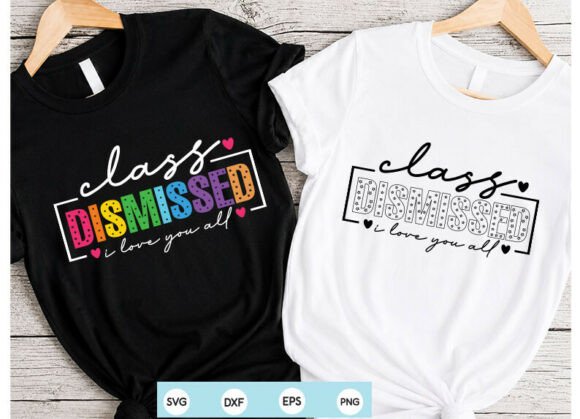
When I first opened the Class Dismissed Teacher Appreciation T S digital embroidery file, my immediate reaction was a smile. It’s a clever design that hits a specific emotional note perfectly. The theme isn’t overly generic; it has a personal, nostalgic mood that feels genuinely appreciative, not just decorative. The layout and shape suggest it’s meant to be a focal point, a statement piece rather than a tiny accent. This tells me it’s a design built for impact, which is exactly what you want for a personalized gift or a standout small shop product.
Where This Design Naturally Belongs in the Real World
Let’s talk about application. I picture this on a cozy, heavyweight sweatshirt given as an end-of-year gift from a class. It would shine on a canvas tote bag for a teacher’s daily commute. I’m also thinking about a simple, elegant patch that could be applied to a leather notebook cover or a denim apron. The design’s personality leans wholesome and heartfelt, making it ideal for baby embroidery on a little onesie for a teacher’s new baby, or as a framed, embroidered pillow cover for a classroom reading nook. For a craft business, this is a solid choice for holiday embroidery projects around Teacher Appreciation Week or end-of-school-year craft fair products.
A Real-Life Scenario: Preparing a Custom Embroidered Tote
Imagine you’re an Etsy seller preparing a custom order. A client wants a unique tote bag for their child’s kindergarten teacher. You load this embroidery file. The sentiment is right, and the scale feels appropriate for the bag’s front panel. You’re considering thread colors—perhaps classic schoolhouse reds and blacks, or softer pastels for a more feminine touch. The design’s clarity in the provided PNG file suggests the details will translate well into stitches, but you know the real test is on the machine and fabric.
Performance on Actual Projects: The Practical Considerations
In real embroidery project use, a design like this needs careful planning. The likely use of text alongside illustrative elements means you must pay attention to stitch density, especially in any potential fill stitch areas. On a t-shirt or other stretchy fabric, you’ll need a robust stabilizer to keep the sentiment crisp after washing. For dark fabric, a thoughtful thread color choice is crucial for visual pop and stitching clarity.
This isn’t a design I’d automatically choose for a cap or hat with a highly curved surface unless I was confident in simplifying some elements; smaller, detailed corners might get lost. Similarly, on very textured fabrics like a thick sweater, the finer details could blend in. It’s best suited for smoother, stable grounds where the design’s personality can fully emerge.
Where You Need to Proceed with Caution
For small hoop sizes, you’d need to verify that the design’s scale can be reduced without sacrificing the integrity of the lettering and any decorative accents. Tiny lettering can become a blurred mess if not digitized well for smaller output. I’d also be cautious about layering it over seams or on very thin fabric without proper backing, as the stitch count could cause puckering. Always, always test the design on scrap fabric first. This step is non-negotiable. It reveals how the satin stitches behave, if any running stitch outlines are clean, and how the overall composition balances on your chosen material.
How It Enhances Your Product’s Value and Appeal
From a commercial and aesthetic standpoint, using a well-executed design like Class Dismissed Teacher Appreciation T S boosts your finished product immensely. It conveys thoughtfulness, increasing its giftability. For a customer, it shows recognition of a specific relationship, building customer trust in your ability to deliver meaningful custom apparel. For your handmade product brand, it supports brand consistency if you specialize in sentimental, high-quality embroidery. A clean, sharp result from this file enhances professionalism and can directly increase buyer engagement in your online listings or booth display.
Essential Designer Notes Before You Stitch
My practical checklist for any designer or creative entrepreneur before running this job:
- Check thread color contrast against your final fabric. Do a test it in black and white mockups mentally to ensure the design works in high-contrast and low-contrast situations.
- Review the design on screen at high magnification to inspect small details that will become stitches.
- Confirm the physical hoop size you’ll need for your intended product. The provided files are digital assets; their physical execution depends on your machine’s capabilities.
- Consider the end-use. Will this item need frequent washing? If so, factor that into your stitch density and stabilizer choices.
- Compare light and dark fabric backgrounds in your planning. The design’s transparency is a benefit, but the visual weight changes dramatically.
- Most importantly, check whether the design works for both personal and commercial projects. The description mentions a digital file for cutting, but as an embroidery designer, I need to confirm the licensing terms explicitly for selling my embroidered patch or sweatshirt embroidery finished items. Never assume.
The Final Verdict for Makers
Class Dismissed Teacher Appreciation T S is a design with strong emotional resonance and clear commercial potential for specific niches. It’s not a one-size-fits-all graphic; it’s a specialized tool for a thoughtful maker. When applied with care—on the right fabric, with the right stabilization, and for the right audience—it can produce a standout handmade product that feels personal and professional. Its value lies in that specificity. For the apparel decorator or digital product seller looking to offer something beyond the generic, this design provides a solid foundation. Just remember, the magic happens not in the file, but in your skilled execution and practical preparation. Do your tests, know your license, and stitch with confidence.