Purple Up Military Kids Ribbon SVG: A Designer’s Take
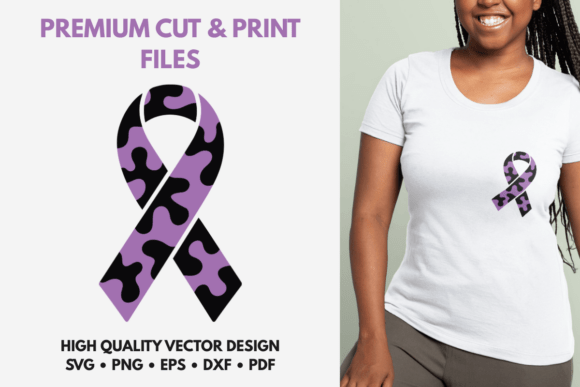
When I first opened the Purple Up Military Kids Ribbon SVG, I immediately felt the quiet strength it carries. It is not loud or overly ornate. The bold purple ribbon layered with black camo creates a visual that feels both respectful and deeply personal. For an embroidery designer, that first glance matters. You are already picturing thread choices, how the satin stitch will flow, and whether the message will translate clearly onto fabric. This design lands with a purpose. It honors military children in a way that feels modern, clean, and ready for real product use.
What This Design Tells Me Before a Single Stitch Runs
The silhouette is immediately recognizable. The awareness ribbon shape, filled with a camo pattern in black and purple tones, gives it a dual identity. It celebrates military kids while also serving as a symbol of support and awareness. The layout is centered and balanced, which is a huge plus for machine embroidery. You do not want something that feels lopsided on a cap or a tote bag. The detail level looks intentional. The camo pattern adds texture without becoming chaotic, which tells me the digitizing will translate well into clean fill stitches and manageable stitch density.
From a product category standpoint, this sits in Illustrations and Graphics, but as an embroidery designer, I am already mentally treating it as a machine embroidery design file. The visual mood is patriotic without being generic. It carries a personal touch that works beautifully for custom apparel, boutique items, and heartfelt personalized gifts.
The Real-World Scenario That Sold Me
Let me paint a picture. A repeat client asked me to create a small batch of embroidered tote bags for a Month of the Military Child event. She wanted something that felt special, not just another flag or star. I pulled up this Purple Up Military Kids Ribbon SVG and did a quick mockup on a natural canvas tote. Instantly, the design popped. The purple thread would stand out on a cream background, and the black camo sections would give it that subtle edge without making the design feel heavy. I could already see the tote bags being carried by proud parents and used as gift bags for event speakers. That is the kind of practical scenario where this design really shines.
Where This Design Naturally Belongs in an Embroidery Business
I do not reach for every design for every project. This one has a clear comfort zone. It fits beautifully on custom apparel like sweatshirts, t-shirts, and jackets. The theme also makes it a strong candidate for embroidered patches, which are easy to sell at craft fairs or on Etsy. I can see it stitched onto a baby onesie for a military family’s newborn announcement photo, or on a soft pillow cover for a child whose parent is deployed. The emotional connection is immediate, and that is what drives customer trust and buyer engagement.
When I think about small shop merchandise, this design slips right into items that tell a story. A handmade kitchen towel with this ribbon becomes a gift that says, “I see you, and I honor your family.” An apron for a volunteer at a military family barbecue suddenly feels more intentional. The design assets are versatile enough to work across a product line without losing identity.
How the Camo Pattern Behaves Under Thread
Here is the part that matters most for machine embroidery. Camo patterns often scare me because they can turn into a dense, bulletproof patch if the stitching is not managed well. However, the way this design is presented, the black and purple camo blocks are distinct but not overly fragmented. That means I can likely use a smooth fill stitch for the larger purple areas, and a lighter density for the black camo segments to keep the fabric soft. I would avoid heavy satin stitch borders on the camo portions unless I am making an actual patch. For wearables, a clean running stitch outline around the ribbon shape would keep the design crisp without making the garment stiff.
Thread color selection is key. I would test a deep, rich purple that matches the boldness of the original artwork. For the black camo, I would not use a true jet black thread, because that can flatten the contrast. Instead, a dark charcoal or a slightly muted black gives the camo dimension. On a dark fabric, I would flip the thread strategy: use a lighter purple so the ribbon still commands attention, and maybe swap the black camo sections for a subtle silver-gray to maintain the camo illusion.
Products Where You Should Test Carefully
I always check how a design behaves on tricky surfaces before committing to a client order. This Purple Up Military Kids Ribbon SVG, while clean, still demands some caution in specific situations. Small hoop sizes are the first red flag. If you try to shrink this design too much, the camo pattern will lose readability and the ribbon shape may muddy. I would not go below a 4x4 inch hoop for a detailed stitch-out. For caps, the curved surface can distort the ribbon’s symmetrical shape, so I would test the center placement on a structured cap first and possibly adjust the underlay to prevent puckering.
Stretchy fabrics like performance tees or baby bodysuits need extra love. A good cut-away stabilizer is non-negotiable. The design has internal shapes that could shift if the fabric stretches during stitching. I also recommend testing on textured fabrics like waffle weave towels. The camo pattern might lose its crispness on a bumpy surface, so a water-soluble topper can help the stitches sit on top instead of sinking in.
For products that need frequent washing, consider the thread type. The purple and black combination is generally safe, but if the garment is a dark navy, the purple could fade over time. I always test a sample with a colorfast thread and wash it twice before offering it to customers. This kind of diligence builds product value and customer trust effortlessly.
From Digital File to Finished Product: A Designer’s Workflow
When I receive a graphic like this, I do not just trust the pretty preview. I run a black-and-white mockup first. This step is a secret weapon. It reveals whether the design reads well without color, which matters for printable mockups, digital product previews, and even certain embroidery placements where thread contrast is limited. The Purple Up Military Kids Ribbon SVG holds up well in grayscale. The camo blocks create enough tonal variation that the ribbon shape does not vanish.
Next, I check the design across different hoop sizes. I duplicate the file and create a test stitch on scrap fabric in two sizes: one for a left-chest placement on a polo, and one for a larger tote or jacket back. I inspect how the thin lines between camo segments sew out. If the running stitch connecting them is too delicate, I increase the stitch length slightly to avoid thread breaks. The design’s provided formats—SVG, PNG, EPS, DXF, PDF—give me plenty of flexibility for digitizing. I can pull the vector into my embroidery software and start mapping stitch types without losing edge quality.
Why This Design Works for Small Business Owners
I am always thinking about the end user. The person buying this embroidery file is likely an Etsy seller, a craft business owner, or a hobbyist who wants to create something meaningful. The Purple Up Military Kids Ribbon SVG fits that world perfectly. It is not just a pretty graphic; it is a conversation starter. Someone who sees this on a tote bag or a sweatshirt will ask, “What does that mean?” That opens the door to share the cause, and that emotional connection can turn a one-time buyer into a repeat customer.
From a branding perspective, using a design that honors military children adds a layer of heart to your shop. It shows you are thoughtful, not just chasing trends. I have seen shops build entire collections around themes like this, and the Purple Up design could anchor a line of products that sell well around April, the Month of the Military Child, as well as for holiday gifts, deployment homecoming events, and veteran family gatherings.
Practical Embroidery Notes I Would Pin to My Studio Wall
Before you stitch this design for a client or for your own inventory, here is the checklist I run through. It is not complicated, but skipping any step can lead to a product that feels less than professional.
- Test on scrap fabric first. Always. Use the exact fabric and stabilizer you plan to use on the final product.
- Check thread color contrast. Hold the thread spools against the fabric under natural light. The purple should be vibrant but not neon, and the black should not overpower the ribbon.
- Review stitch density. If the camo areas feel too dense, reduce them slightly in your digitizing software. A softer hand is better for wearable items.
- Confirm hoop size. Measure the design’s printable area and ensure your hoop can accommodate it comfortably with a bit of margin.
- Inspect small details. Zoom in on the camo pattern edges. Make sure the running stitch does not skip or create jump stitches that need trimming.
- Test in black and white. A quick grayscale preview helps you catch contrast issues before you thread the needle.
- Compare light and dark fabric backgrounds. The design may need a slight thread color adjustment depending on the base material.
- Use proper stabilizer. Cut-away for knits, tear-away for wovens, and always a topper for textured fabrics.
- Check licensing. Before selling finished items, confirm that the commercial use terms allow physical product sales. The file description mentions it is provided in versatile formats, but you should always verify the license for your specific use case.
How This Design Shifts Buyer Perception
When a customer sees a product with the Purple Up Military Kids Ribbon SVG, they are not just seeing a cute design. They are seeing a symbol that represents sacrifice and resilience. That changes the entire buying experience. Someone shopping for a personalized gift for a military child will feel seen and understood. That emotional value is what makes a product giftable and memorable. I have seen patches with this kind of message sell out quickly at craft fairs, not because they were trendy, but because they meant something real.
For apparel decorators, this design opens doors to custom orders for military family support groups, school events, and community organizations. The design is professional yet approachable, so it fits both casual and semi-formal products. A polo shirt with this embroidery on the chest feels polished. A hoodie with it on the sleeve feels personal. It is a versatile digital embroidery file that can scale from a small patch to a statement piece on the back of a denim jacket.
Where I Would Not Use This Design
I am honest about limitations. This design is not ideal for extremely tiny placements like keychain patches or slim ribbon tabs. The camo detail would collapse. I would also avoid it on heavily patterned fabric, because the camo itself is a pattern, and the visual competition would weaken the message. If you are making baby embroidery, I would keep the design size moderate and avoid metallic threads that could irritate sensitive skin. Stick with soft, matte thread for tiny wearers.
For printable mockups and digital product previews, the design works beautifully. The clean lines and high contrast make it easy to showcase on screen. I have used similar designs as part of design assets for marketing materials, and they always look professional when printed on a flyer or posted on social media.
Final Thoughts From a Designer’s Bench
After spending time with the Purple Up Military Kids Ribbon SVG, I would not hesitate to add it to my library of trusted embroidery files. It is not a design that will sit unused. The theme is evergreen, the visual impact is strong, and the practical application is wide enough to suit a variety of handmade products. Whether you are stitching a single tote bag for a friend or building a full product line for your craft business, this design delivers both heart and commercial appeal. Just remember to test it on your specific fabric, adjust your thread palette thoughtfully, and respect the cause it represents. When you do that, the finished product will not just look good—it will carry meaning that your customers will cherish.