Cute Teacher Owl Illustration Art
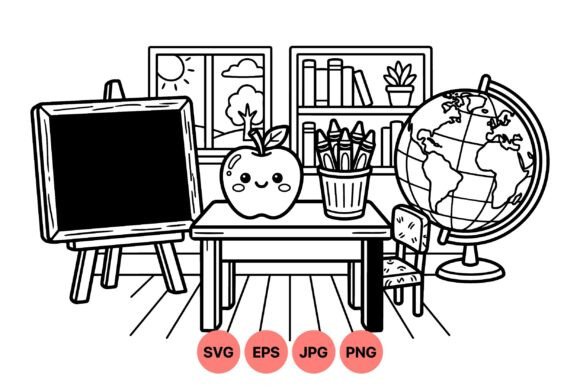
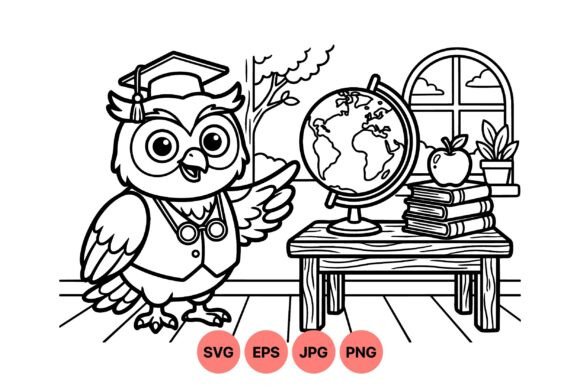
When I first opened this file, I immediately felt that warm, nostalgic pull of a classroom illustration done right. Cute Teacher Owl Illustration Art is not just a doodle of an owl wearing glasses. It is a full scene, a composed little world inside an arched window frame where a scholarly owl gestures toward a globe, surrounded by stacked books, a desk, and a bright apple, all nestled beside a potted plant. The line art style gives it a coloring page quality that feels both playful and structured, which is exactly what I look for when I am evaluating whether a design will actually stitch out beautifully and sell well as a finished product.
From an embroidery designer's perspective, the first thing I ask is not whether the art looks pretty on screen. I ask whether it will translate into thread and fabric without losing its soul. And in this case, the answer is a confident yes, with a few thoughtful caveats that every maker should consider before loading up the hoop.
What This Design Brings to the Embroidery Table
The composition has a natural focal point. The owl, the globe, and the desk create a triangular visual flow that guides the eye from the character to the props and back again. That kind of structure is gold for machine embroidery design because it means the stitching path can follow a logical rhythm without awkward jumps or disconnected elements. The arched window acts as a natural frame, which gives the whole piece a finished, self-contained look that works beautifully on standalone items like patches, tote bags, or framed hoop art.
The line art style means this is inherently detail-oriented but not overly dense. For someone who stitches out dozens of designs every month, I appreciate that the illustrator seems to have considered the difference between a sketch and a stitchable graphic. The lines are clean, the spacing between elements is generous enough to avoid thread bunching, and the overall mood lands somewhere between charming and educational, a sweet spot for products aimed at teachers, students, librarians, and anyone who loves a cozy academic aesthetic.
Where This Design Naturally Belongs
I have been mentally placing this design on a half-dozen products since the moment I saw it. The most obvious home is a tote bag design for a teacher appreciation gift. Picture a natural canvas tote with this owl stitched in deep navy or charcoal thread, simple, elegant, and instantly recognizable. It would also shine on a sweatshirt embroidery project, especially on the upper left chest or centered on the back of a crewneck. The scholarly theme makes it perfect for back-to-school season, but honestly, the appeal stretches year-round.
Another strong candidate is an embroidered patch. The arched window shape already mimics a classic patch silhouette, and with a merrowed edge or a clean satin stitch border, this could become a staple in a small shop's patch collection. I can also see it working on a pillow cover for a reading nook, a kitchen towel for a teacher's home, or even a baby embroidery project for a nursery with a literary theme. The versatility here is real, and that matters when you are building a craft business around designs that need to sell across multiple product categories.
Thinking Through a Real Project Scenario
Let me walk you through a project I have been planning in my head. I am preparing a set of custom handmade product gifts for a client who runs a small boutique that sells teacher-themed merchandise. She wants something that feels personal but professional, something her customers would pick up and immediately connect with. I pulled up Cute Teacher Owl Illustration Art and started mentally testing it on a mid-weight canvas tote bag in a warm oat color.
I would stitch this in a single dark thread color, probably a rich espresso brown or a deep slate blue, to maintain that line art integrity. The design is detailed enough to feel substantial but not so busy that it would overwhelm a 5x7 or 6x10 hoop. I would use a medium-weight cutaway stabilizer to support the stitch density on the canvas, and I would run a test stitch on scrap fabric first to check how the small details, like the owl's glasses and the book spines, render in thread. My gut says they will hold up nicely because the line spacing is generous, but I never skip the test stitch, especially when I am preparing a finished product for a client who values consistency.
How the Design Performs Under Real Stitching Conditions
When I evaluate an embroidery file for practical use, I think about stitch types. A line art design like this one will lean heavily on running stitch and possibly some satin stitch for slightly thicker accent lines. The absence of large filled areas means the stitch density stays manageable, which reduces puckering on lighter fabrics and keeps the design soft to the touch. That is a major advantage for apparel, especially anything worn against the skin or washed frequently.
The globe and the stacked books are the most detailed elements, and I would watch those closely during the test stitch. If the stitch density is too high in those tight corners, the needle could perforate the fabric excessively, leading to weak spots. But in a well-digitized file, those details should be balanced with the surrounding open space to keep the fabric stable. The potted plant on the side adds a nice organic counterweight to the structured desk and window, which keeps the design from feeling too rigid.
On dark fabric, this design would pop beautifully with a lighter thread color, cream, soft gold, or even a muted sage green. On light fabric, darker threads create crisp contrast. The key is testing the thread colors against the actual fabric before committing to the final run, because what looks good on a screen rarely matches the stitched result exactly.
Where You Should Be Extra Careful
This is not a design I would shrink down to fit a 4x4 hoop without careful consideration. The arched window contains a lot of interior detail, and if you scale it too small, the owl's face, the globe lines, and the book edges could blur together. I would recommend keeping the design at a size where the smallest details remain at least a millimeter or two apart in the stitch file. Anything smaller, and you risk losing the clarity that makes this illustration charming in the first place.
Stretchy fabric is another area where caution is warranted. If you are planning to stitch this on a t-shirt or a onesie, use a high-quality fusible stabilizer and consider a topper if the fabric has a nap or texture. The line art style means there is not a lot of fill to anchor the fabric, so the stabilizer is doing the heavy lifting to prevent distortion. I learned that lesson the hard way years ago on a similar design, and now I never skip the extra support on knits.
Curved surfaces like caps and hats are possible but tricky. The arched window shape could follow the curve of a cap's front panel nicely, but you would need to position it carefully so the globe and the owl stay centered and the bottom books do not get lost in the brim seam. It is doable, but I would test it on a blank cap first before offering it as a standard option in a shop.
The Emotional and Commercial Appeal
There is something genuinely endearing about an owl dressed as a scholar, and I think buyers respond to that immediately. The design carries a sense of warmth, curiosity, and quiet intelligence that makes it an easy sell for personalized gift items. A customer shopping for a teacher appreciation gift is not looking for something loud or trendy. They want something that feels thoughtful and lasting. This design delivers that in spades.
From a small shop product perspective, the design also photographs well. The clean line art translates beautifully into printable mockup images, which is a bonus for Etsy seller listings and social media promotion. A stitched version on a neutral background creates a striking visual that communicates quality before a buyer even reads the description. That kind of visual appeal builds customer trust and increases buyer engagement, both of which are essential for standing out in a crowded handmade marketplace.
Practical Notes for Embroidery Designers and Sellers
Before you add this design to your commercial rotation, here are the steps I would take, and I recommend you do the same. First, test the design on at least two different fabric types, one woven and one knit, to see how the stitch quality holds up. Check the hoop size requirement and confirm it matches your machine's capabilities. Inspect the small details under magnification after stitching to catch any thread breaks or density issues early.
Second, review the thread colors in both bright and muted lighting. A design that looks crisp under studio lights might lose contrast in a dimmer room, and your customers will notice that difference. Third, test the design in black and white on a printed mockup to see if the composition still reads without color, because some buyers will stitch it monochromatically regardless of the original palette.
Finally, and this is critical, confirm the licensing terms before you sell finished items or digital embroidery file bundles. I cannot tell you the exact license details for this specific Graphics product under the Illustrations category, because those terms vary by marketplace and creator. What I can tell you is that you should never assume commercial use is included. Check the license carefully, document your permission, and keep those records organized. It protects your craft business and respects the original artist's work.
Stitching It All Together
After spending time with Cute Teacher Owl Illustration Art, I can say this is a design that earns its place in a maker's library. It is not a flashy, trend-chasing graphic that will feel dated in six months. It is a thoughtful, well-composed illustration that speaks to a specific audience with clarity and heart. For custom apparel, handmade product lines, holiday embroidery gifts, or boutique branding, it offers a level of polish that makes the finished work feel professional and intentional.
The line art approach keeps the stitching manageable, the framed composition gives it product flexibility, and the theme opens doors to a loyal and enthusiastic customer base. Whether you are stitching it onto a tote for a teacher friend, building a collection of design assets for your shop, or preparing a commercial embroidery run for a seasonal launch, this design is ready to work if you are willing to test it properly and treat it with the care that any good embroidery project deserves.
I would not hesitate to use this in my own projects. In fact, I already have a few blank canvas totes waiting for exactly this kind of stitch-out. The owl, the globe, the books, the quiet classroom charm, it all adds up to a design that feels like it was made to be stitched, shared, and loved.