A True Designer's Look at a Patriotic Embroidery File
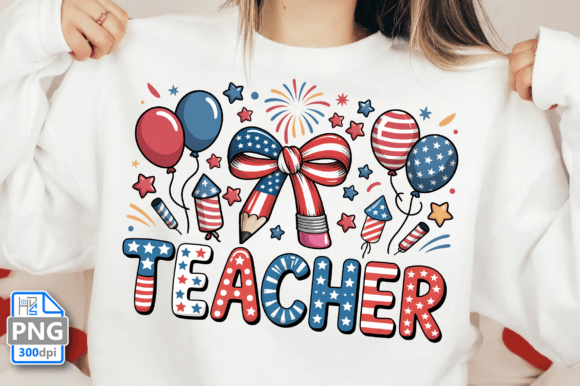
When you see a file named Patriotic PNG, 4th of July Teacher PNG, your mind immediately goes to real projects. You picture it stitched out on a canvas tote bag for a teacher's gift, or perhaps on the corner of a cozy sweatshirt. As a designer who reviews files for practical use, my first job is to strip away the digital preview and imagine the thread on fabric. This is what that process looks like for this particular freebie.
The Immediate Mood & Where It Belongs
The theme here is clear and heartfelt. It creates a mood of appreciation and celebration, blending teacher gratitude with national pride. Visually, the layout likely combines symbolic elements—perhaps an apple, a flag, or a simple "Thank You"—into a cohesive shape. The personality feels friendly and sincere, not overly formal or flashy. This tells me it belongs on gifts. Specifically, it's a natural fit for personalized teacher gifts, holiday-themed boutique merchandise for July, or custom apparel for school events. The detail level in a PNG suggests it’s crafted for clarity, which is excellent for embroidery where every stitch needs to translate a clean line.
Performance in Real Embroidery Projects
Let’s walk through a scenario. Imagine you’re an Etsy seller preparing for a summer craft fair. You want a line of embroidered tea towels and tote bags that feel special for the 4th of July. You load this Patriotic PNG, 4th of July Teacher PNG into your software. Because it’s a 300 DPI PNG with a transparent background, it’s straightforward to scale and place in your design canvas for digitizing. The high resolution means the edges are defined, which is crucial for converting to a clean embroidery file.
On a sturdy cotton tote bag, the design would stitch out with a sense of sturdy, homemade quality. On a baby’s romper for a patriotic photo, it would become a sweet, small accent. For a custom apron or a pillow cover, it would serve as a decorative centerpiece. Its strength lies in its versatility for holiday-themed products: from craft fair items to personalized gifts for a teacher. For commercial embroidery projects, like a small batch of caps for a school group, the design’s recognizable theme builds immediate engagement.
Where This Design Should Be Used With Care
Not every design works everywhere. Here’s my practical judgment for this one. If the PNG contains small lettering or intricate details, you must be cautious on small hoop sizes. Trying to stitch tiny text on a curved surface like a cap can lead to clarity loss. Textured fabrics, like a napped fleece blanket, might require a closer look at stitch density to ensure the design doesn’t sink in. On thin or stretchy fabric, like a t-shirt, a dense fill stitch area could cause puckering—proper stabilizer choice is key.
Dark fabric backgrounds require thoughtful thread color planning; a PNG’s transparency doesn’t solve that, you need to select contrast colors yourself. Also, on products that need frequent washing, like kitchen towels or baby clothes, ensure the stitch coverage is solid enough to withstand wear without fraying. Always test a small section first.
Impact on Your Business & Your Customer
Using a design like this affects more than just the stitch count. It influences visual appeal. A well-executed embroidery file based on a clean PNG can make a handmade product look professionally crafted, boosting customer trust. For a small shop product, it enhances brand consistency if your niche is patriotic or teacher-themed gifts. The giftability of an item embroidered with this theme is high—it’s instantly recognizable and emotionally resonant.
For embroidery designers selling digital products, a reliable PNG serves as a strong foundation for creating your own embroidery file to sell or use. However, remember the product note: it’s a non-editable format. This means you’re working with the image as a base, not a ready-to-stitch embroidery file. You’ll need to digitize it, which requires skill and the right software.
Practical Designer Notes Before You Stitch
- Always test on scrap fabric first. Use the same fabric and stabilizer you plan for the final product.
- Check thread color contrast. View the PNG in black and white to see if the elements separate clearly, then plan your palette.
- Review stitch density in your digitized version. Don’t assume the PNG’s resolution automatically translates to perfect embroidery density.
- Confirm your hoop size can accommodate the design scale you want, especially if you’re enlarging it for a pillow or shrinking it for a cap.
- Inspect small details. Zoom in on the PNG. Are there corners or lines that might become too fine for a running stitch?
- Use proper stabilizer for your fabric type. This is non-negotiable for a clean finish.
- Check licensing. Since this is listed as a freebie, confirm the terms before using it for commercial embroidery projects or selling finished items. Some free graphics are for personal use only.
In the end, the Patriotic PNG, 4th of July Teacher PNG is a valuable design asset if you approach it with a designer’s eye. It’s not a magic file, but a solid starting point. Your skill in digitizing and stitching will bring it to life on a tote bag, sweatshirt, or baby item. That transformation—from digital graphic to threaded texture—is where the real value for your craft business or handmade shop lies. Treat it as a tool, not a solution, and you’ll create finished products that carry both a patriotic spirit and a professional touch.